A strong brand voice isn’t just a “nice to have” — it’s a strategic asset.
In a crowded market, consistency in brand communication is what helps audiences recognise you, trust you and remember you. At leading communications agencies, brand voice strategy is treated as foundational, not decorative. Here’s how the best teams do it — and how you can apply the same thinking to your own brand messaging.
Start with a Clear Brand Voice Framework
Top agencies begin with structure. A practical brand messaging guide typically includes:
One key Projected insight as an experienced creative communications studio: consistency doesn’t happen by accident. Agencies operationalise brand voice by:
Training teams and partners on voice principles
Creating real-world examples, not just descriptions
Reviewing content through a “voice lens” before publishing
Some agencies even appoint brand voice owners to safeguard consistency as teams scale.
Avoid Common Brand Voice Pitfalls
Even well-known brands slip up. Watch out for:
Channel drift: sounding polished on your website but casual (or chaotic) on social
Too many cooks: multiple teams editing without a shared framework
Trends over truth: copying competitors instead of expressing your authentic voice
A consistent brand voice should evolve — but always from a clear core.
The Bottom Line
Consistency in brand communication builds recognition, credibility and connection. With the right brand voice strategy, supported by systems and examples, your messaging becomes unmistakably you. And that’s where strong brands win.
—
If you’re a beauty, lifestyle, home decor or interior design brand and need help with your creative communications strategy and execution, drop us an email at hello@projected.co.uk and let’s make it happen.
In a crowded digital landscape, strong visuals aren’t a “nice to have” — they’re the backbone of effective brand communications. From websites and social media to PR campaigns and internal comms, photography and video shape how audiences perceive, trust and remember brands.
For communications teams and marketers, the challenge isn’t whether to invest in visuals, but how to do it efficiently and strategically. Below, we share our practical brand photography tips, videography workflows and creative comms tools that help turn visual content into measurable impact.
Why Visual Content Marketing Matters
Research consistently shows that audiences process visuals faster than text and platforms increasingly reward image- and video-led content.
Strong visual content marketing helps brands by:
Increasing engagement across social and owned channels
Building consistency and recognition over time
Communicating complex messages quickly
Strengthening emotional connection with audiences.
But effective visuals don’t happen by accident. They require the right tools, workflows and creative direction.
Brand Photography Tips That Go Beyond “Nice Images”
Brand photography is about storytelling, not just aesthetics.
A few foundational tips from our Projected handbook:
1. Define your visual identity first.
Before shooting, align on brand personality, colour palettes, lighting styles and usage scenarios. This ensures consistency across campaigns and avoids a mismatched asset library.
2. Shoot with multiple formats in mind.
Plan for website banners, social crops, PR usage and paid ads in one shoot. This maximises ROI and reduces reshoot costs.
3. Invest in editing and asset management.
Tools like Adobe Lightroom, Capture One or Canva Pro (for lighter edits) help maintain a cohesive look. Pair this with a digital asset manager such as Bynder or Frontify to keep teams aligned.
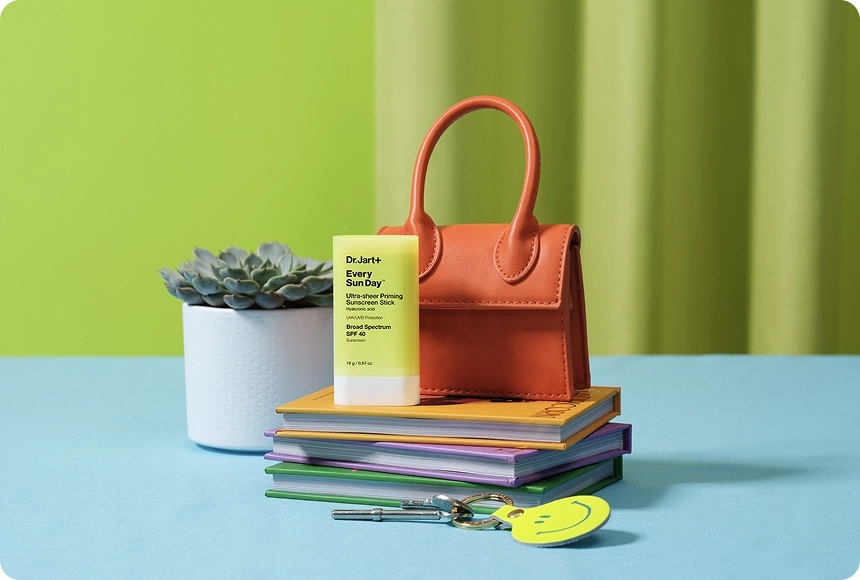
Our product photography shoot for Dr. Jart +’s summer 2025 campaign has contributed towards clear, brand-distinctive images, recognisable product assets and a vibrant colour palette that grabs the attention and stops you mid-scrolling through the social media noise. Photography: Victoria Ling
Videography for Brands: Tools That Scale
Video is now central to brand communications, from short-form social clips to longer thought-leadership content.
Essential videography tools for brands include:
Cameras: Sony A7 series, Canon R series, or even high-end smartphones for agile content
Editing software: Adobe Premiere Pro, Final Cut Pro, DaVinci Resolve
Motion and captions: After Effects, CapCut or Veed.io for fast social edits
When planning videography for brands, think modular. Capture interviews, b-roll and behind-the-scenes footage in one session, then repurpose across platforms.
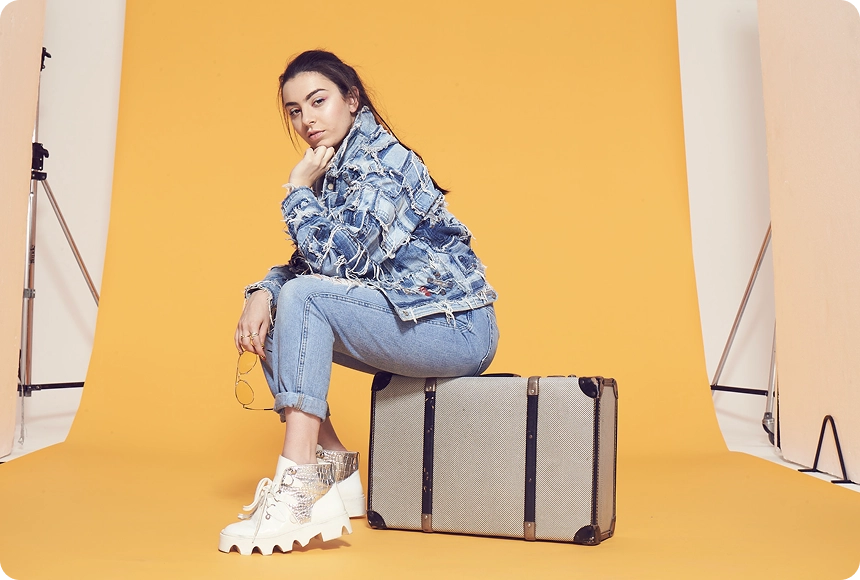
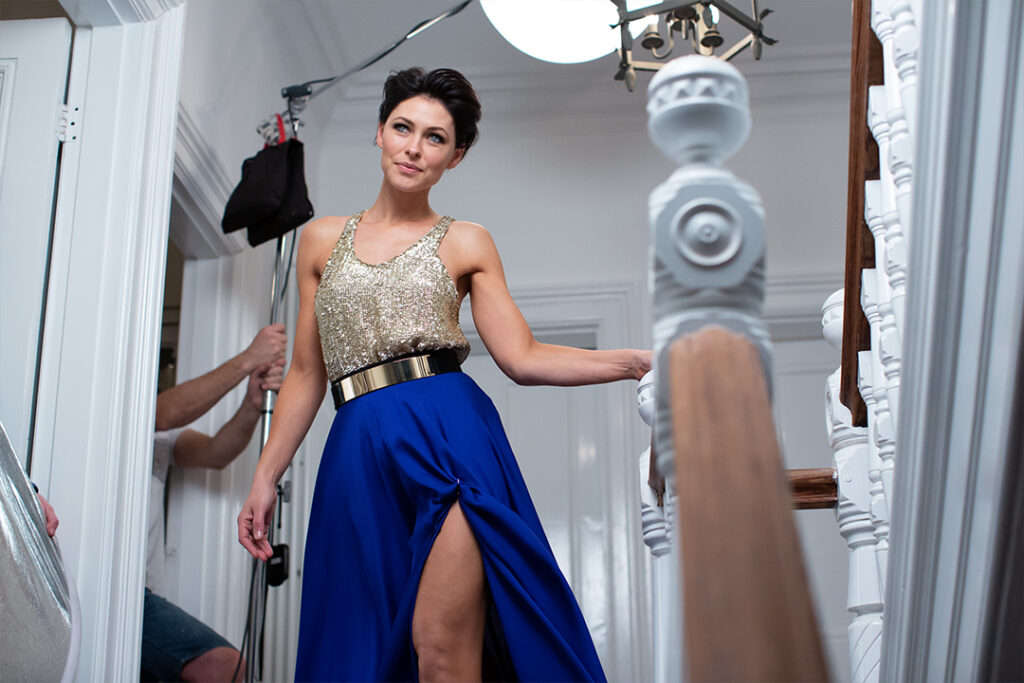
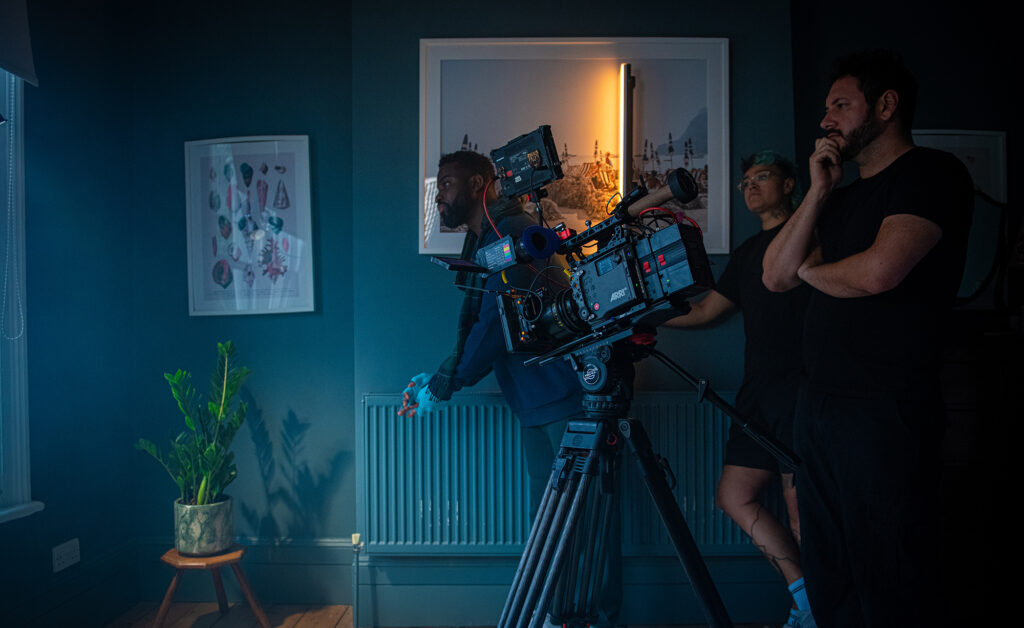
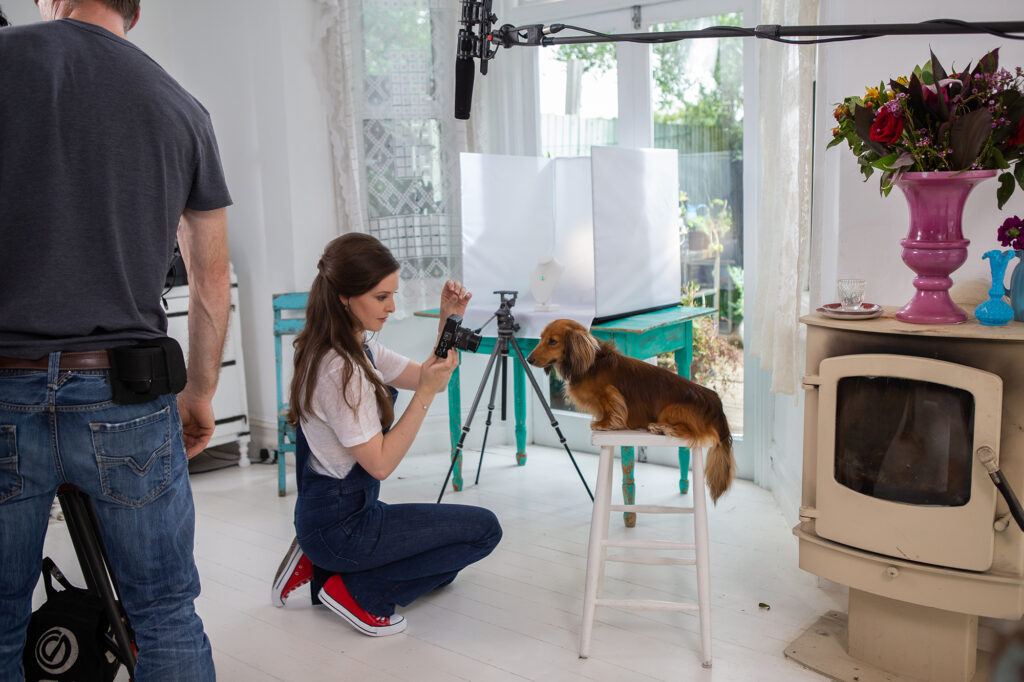
With over 20+ years of experience in the fashion, beauty, lifestyle and product photography industry, our team has had the privilege of working with incredible names in entertainment, such as Charli XCX, Emma Willis, Kate Moss, Georgia May Jagger and Tess Daly.
A Simple Workflow for Creative Comms Teams
A repeatable workflow keeps creative output consistent and cost-effective:
Briefing: define objectives, audience, channels and success metrics
Pre-production: moodboards, shot lists, scripts and timelines
Production: capture photography and video simultaneously where possible
Post-production: edit, optimise formats, add captions and branding
Distribution: align visuals with channel strategy and campaign goals.
Using project tools like Notion, Asana, or Monday.com helps creative comms teams stay on track.
Mini Case Study: Visuals That Drive Engagement
A B2B professional services brand refreshed its visual content marketing by replacing generic stock images with custom brand photography and short-form video. Using a single quarterly shoot, the team created website imagery, LinkedIn video snippets and media assets.
The result? A 35% increase in social engagement and longer average time on key landing pages.
Final Thoughts
Photography and videography are no longer isolated creative functions — they’re strategic brand assets. With the right tools, workflows and brand photography tips in place, communications teams can create visuals that don’t just look good, but actively support business and reputation goals.
Invest smartly, plan creatively and let your visuals do the talking.
—
If you’re a beauty, lifestyle, home decor or interior design brand and need help with your creative communications strategy and execution, drop us an email at hello@projected.co.uk and let’s make it happen.
Digital advertising has never been more crowded, more complex, or more accountable than it is heading into 2026. Audiences are fragmented across platforms, algorithms change constantly and budgets are under pressure to prove value fast.
In this environment, brands that rely on ad-hoc campaigns or isolated creative ideas risk being invisible — or worse, forgettable. That’s why a clear, joined-up digital advertising strategy is no longer optional. It’s the foundation for brand growth, performance and measurable return on investment.
The Shift From “Ads” to Strategy
In the past, digital advertising often meant boosting posts or running short-term paid social campaigns. In 2026, that approach simply doesn’t cut through. Platforms are smarter, audiences are savvier and competition for attention is fierce.
A modern digital advertising strategy in the UK must align paid media, creative assets, messaging and data. It’s not just about where you advertise, but why, how and what story your brand is telling at every touchpoint.
Brands that succeed treat digital advertising as an ecosystem — one where awareness, consideration and conversion work together rather than in silos.
Creative Still Wins — But Only When It’s Built for Paid Media
One of the biggest brand advertising trends for 2026 is the renewed importance of creativity. But creativity alone isn’t enough. Assets need to be designed with platforms, formats and audience behaviour in mind from the start.
This is where communications agencies like Projected play a critical role. By connecting brand storytelling with paid media planning, we make sure that our creative work performs, instead of just looking good.
Some practical creative advertising tips from the Projected 2026 handbook include:
Designing modular creative that can adapt across channels
Building thumb-stopping visuals for short-form video environments
Ensuring brand cues appear within the first few seconds
Testing multiple creative variations to optimise performance.
When creative and media strategy are developed together, brands see stronger engagement and better efficiency.
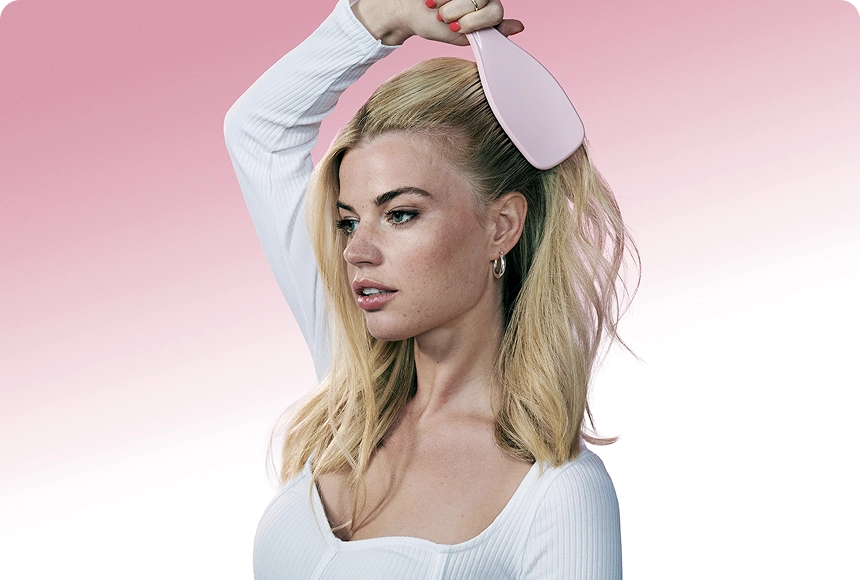
When it comes to using creative assets for your digital advertising strategy, every brand needs to make sure that all images and designs are executed with platforms, formats and audience behaviour in mind from the start. Just like the work we created for Tangle Teezer.
Data, Measurement and Digital Comms ROI
As budgets tighten, proving digital comms ROI has become a board-level priority. Brands are no longer satisfied with impressions or clicks alone. They want to understand what’s driving growth.
A robust digital advertising and creative communications studio like Projected connects performance metrics to real business outcomes — whether that’s brand lift, lead quality, sales or long-term brand equity. This requires:
Clear objectives at every stage of the funnel
Consistent measurement frameworks across platforms
Ongoing optimisation based on insight, not guesswork
Communications agencies help translate data into action, ensuring campaigns evolve rather than stagnate.
Why 2026 Demands a Joined-Up Approach
Looking ahead, brand advertising trends in 2026 point towards greater integration. Paid, owned and earned channels are increasingly intertwined, and audiences expect consistency across them all.
A strategic digital advertising approach ensures that brand voice, creative and messaging remain aligned — whether someone sees your brand on social, search, video or display.
For UK brands navigating economic uncertainty, regulatory change and platform volatility, strategy is the differentiator. It enables smarter investment, stronger creative impact and clearer accountability.
Our work for Fora Space encapsulates creative consultancy, creative brand refresh, art direction and lifestyle editorial photography, delivering a strategically impactful, yet visually authentic content library of assets that elevate the brand and reach their ideal customer.
Final Thoughts
Digital advertising in 2026 isn’t about spending more — it’s about spending smarter. Brands that invest in a clear, creative-led digital advertising strategy will cut through the noise, connect with audiences and demonstrate real ROI.
For communications agencies, the opportunity is clear: bring creative, media and measurement together — and help brands turn attention into action.
—
If you’re a beauty, lifestyle, home decor or interior design brand and need help with your creative communications strategy and execution, drop us an email at hello@projected.co.uk and let’s make it happen.
In today’s crowded digital landscape, great content doesn’t just happen — it’s produced with purpose. For brands looking to stand out online, a strong social media content strategy supported by high-quality content production is essential. From video and photography to platform-specific formats, our Projected guide breaks down the best practices brands should follow to create scroll-stopping content that delivers real results.
Start with Strategy, Not Output
Effective content production begins long before a camera is switched on or a caption is written. Brands need a clear social media content strategy that aligns with business objectives, audience insights and platform behaviour.
Ask the right questions early:
Who are we talking to?
What do we want them to feel or do?
Which platforms matter most?
One of the most valuable content production tips is to plan content as a system, not as one-off posts. Creating themes, content pillars and campaign narratives ensures consistency while also giving teams the flexibility to respond to trends.
Video: The Engine of Social Engagement
Video continues to dominate social media performance across platforms. Short-form video in particular — think Instagram Reels, TikTok and YouTube Shorts — offers brands the chance to communicate quickly, authentically and at scale.
Successful video content doesn’t need to be overly polished, but it does need to be purposeful. Strong hooks in the first three seconds, clear storytelling and native formatting are non-negotiables. Brands that invest in professional video as part of their content production often see higher retention, better engagement and more efficient paid amplification.
A great example is how retail and lifestyle brands use behind-the-scenes or “day in the life” videos to humanise their teams while reinforcing brand values — an approach many agency content services UK teams now build into always-on strategies.
From short-form video content creation for social media platforms, all the way to comprehensive TV advertising video production like this one we created for Patch Plants, our team’s always-on approach guarantees quick execution, high quality deliverables and end results that are not only scroll-stopping, but converting too.
Photography and Visual Consistency
While video may grab attention, photography remains a cornerstone of visual storytelling for brands. High-quality, on-brand imagery builds trust and recognition, especially on visually led platforms like Instagram and Pinterest.
The key is consistency. Lighting, composition, colour grading and subject matter should all reinforce a brand’s visual identity. Content production teams should think beyond single assets and instead build flexible image libraries that can be reused across campaigns, platforms, and formats.
Platform-Specific Content Wins Every Time
One of the most common mistakes brands make is treating every platform the same. Effective social media content strategy recognises that each channel has its own language, audience expectations and technical requirements.
What works on LinkedIn won’t necessarily work on TikTok. Portrait images in 4:5 ratio may suit Instagram feeds, while vertical video is essential for Stories and Reels. Tailoring content during the production phase, rather than retrofitting later, saves time and significantly improves performance.
Learn from Successful Campaigns
Some of the most effective social campaigns combine strategic insight with strong execution. Think of brands that launch integrated campaigns where hero videos are supported by cut-downs, stills and reactive content, all planned from the outset. This approach maximises reach while keeping messaging consistent.
Our team at Projected and our portfolio of content services increasingly support brands with end-to-end production, from concept and shoot planning to post-production and platform rollout.
One of our values here at Projected is ‘Human at the Centre’. Even though algorithms and trends often lead the way when it comes to creating social media content, the human-first, personalised approach and experience will always remain the best strategy when it comes to connecting with your community and attracting customers for your brand.
Final Thoughts
Content production is no longer just about making things look good — it’s about telling the right story, in the right way, on the right platform. Brands that invest in strategic, high-quality content creation are far better positioned to cut through the noise and build meaningful connections online.
If you’re refining your approach, these content production tips provide a strong foundation for creating social content that works harder and delivers lasting value.
—
If you’re a beauty, lifestyle, home decor or interior design brand and need help with your creative communications strategy and execution, drop us an email at hello@projected.co.uk and let’s make it happen.
Creativity and data-driven results go hand in hand on the mission to deliver a comprehensive and cohesive brand experience across different channels and platforms.
In 2026, beauty and lifestyle brands are competing in a marketplace that’s more saturated, more digital and more values-driven than ever before. Product quality alone is no longer enough to win attention or loyalty. What separates fast-growing brands from those that fade into the feed is the strength of their communications strategy… and the creative thinking behind it.
This is where a creative communications agency plays a critical role: not just promoting products, but shaping how consumers experience and emotionally connect with a brand.
From Promotion to Story: The New Era of Lifestyle Brand Storytelling
Today’s consumers don’t just buy skincare, wellness or fashion products — they buy into identities, communities and lifestyles. Effective lifestyle brand storytelling goes beyond campaign slogans. It builds cohesive narratives across social, PR, influencer partnerships, experiential events and owned content.
In 2026, storytelling is also more participatory. Audiences expect to co-create, comment, remix and share brand content. Creative communications strategies now focus on:
Short-form video narratives optimised for discovery
Creator-led content that feels authentic, not scripted
Community-first campaigns that spotlight real customer stories
Purpose-driven messaging aligned with sustainability and inclusivity
When storytelling is consistent across every touchpoint, brands don’t just gain awareness — they build emotional relevance.
Smarter Communications Strategy for Beauty Brands
Beauty marketing has always been fast-paced, but today it’s also data-driven. A strong communications strategy for beauty brands balances creative expression with performance insights.
Leading agencies are combining:
Cultural trend forecasting
Platform-specific content planning
Influencer credibility analysis
Real-time social listening
This allows campaigns to be responsive rather than reactive. Instead of launching generic product pushes, brands can tap into emerging conversations around skin health, self-care rituals or ingredient transparency, positioning themselves as part of the consumer’s lifestyle, not just their shopping cart.
In 2026, personalisation at scale is also key. AI-powered segmentation enables messaging to adapt to different audience micro-communities while maintaining consistent brand voice.
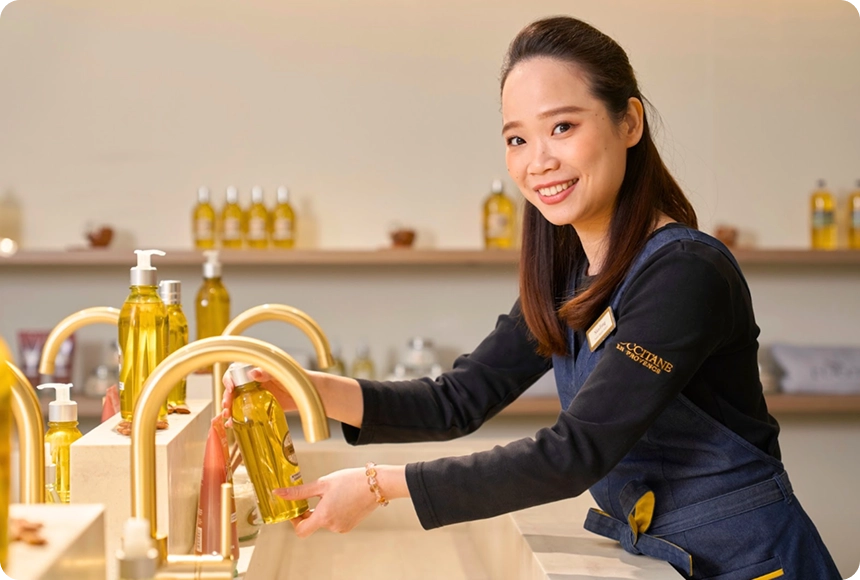
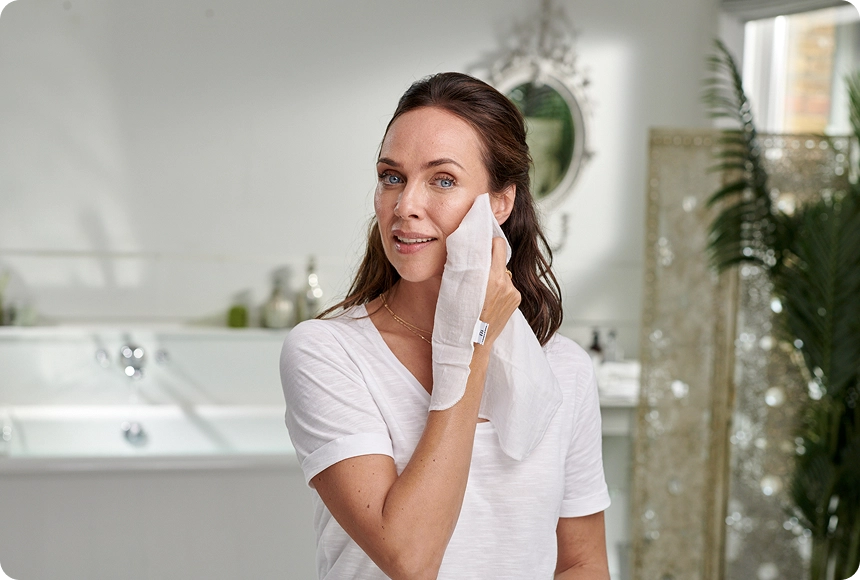
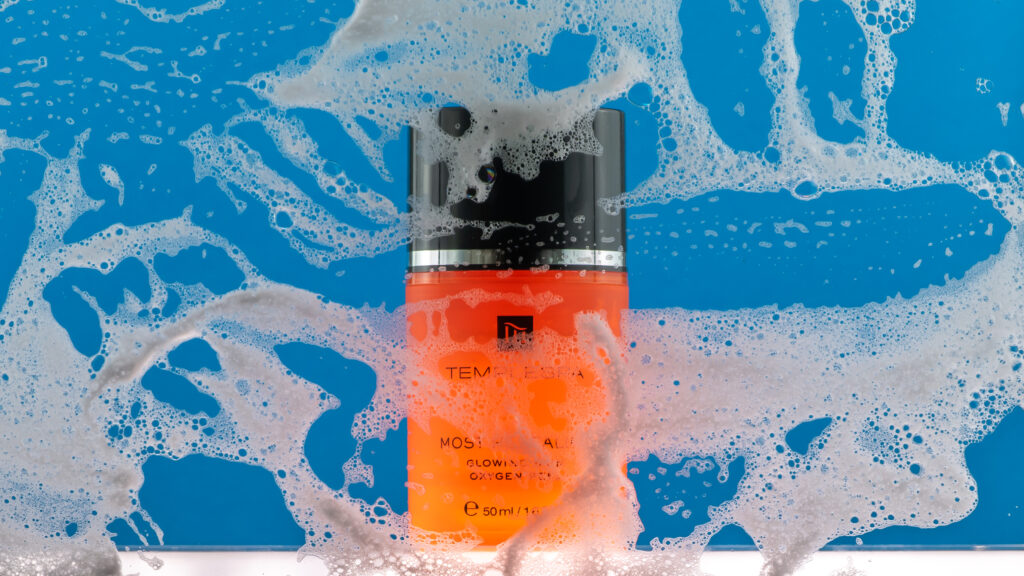
Our team at Projected offers a diverse skillset that accommodates all brand needs and goals, no matter how challenging they might be. Check out some of our continuous work for TEMPLESPA, showcasing a blend of strategic brand repositioning, creative photography & videography and complete brand asset refresh.
Creativity That Drives Measurable Brand Visibility
Creative communications are no longer judged solely by aesthetics. They are evaluated by their impact on brand visibility in 2026, including metrics such as:
Engagement rates across social media and creator platforms
Share of voice within category conversations
Website traffic driven by earned and shared media
Repeat interactions and community growth
High-performing campaigns are built with these outcomes in mind from the start. Strategy, content, media and PR are planned as one integrated ecosystem rather than separate silos.
For example, a product launch may include:
Teaser storytelling through creators
Editorial PR placements aligned with brand positioning
Experiential activations that generate user-generated content
Paid amplification that boosts top-performing organic assets
This multiplies reach while maintaining authenticity — something algorithms and audiences both reward.
Building Loyalty Through Authentic Connection
While visibility matters, loyalty is the true growth driver for beauty and lifestyle brands. Consumers stay with brands that reflect their values, speak their language and evolve with them.
Creative communications foster loyalty by:
Maintaining consistent brand personality across platforms
Creating two-way conversations instead of one-way messaging
Rewarding community participation with exclusive content or experiences
In 2026, loyalty isn’t built through discounts — it’s built through belonging. Brands that invest in long-term storytelling rather than short-term promotion are seeing higher lifetime value and stronger advocacy from their audiences.
Why Partnering With a Creative Communications Studio Matters
The complexity of modern brand building means most in-house teams can’t do everything alone. A specialised creative communications studio like Projected brings cross-industry insight, strategic objectivity and the creative firepower needed to cut through crowded feeds and media channels.
More importantly, creative agencies and studios help brands connect creativity to business outcomes, ensuring that every campaign contributes to growth, not just visibility.
As beauty and lifestyle categories continue to evolve, brands that invest in strategic, emotionally resonant communications won’t just keep up — they’ll lead.
—
If you’re a beauty, lifestyle, home decor or interior design brand and need help with your creative communications strategy and execution, drop us an email at hello@projected.co.uk and let’s make it happen.